

You've just crushed a tough workout. Your muscles ache. That soreness lingers for days. It keeps you from the gym. Frustration builds as gains stall. But here's the fix. The right foods speed up muscle recovery. They cut downtime and boost results. Nutrition matters as much as lifting weights. In this guide, we reveal five top foods. They help repair muscles fast. Expect less pain and quicker progress.
Muscle recovery means fixing tiny tears in fibers. It also refills energy stores called glycogen. Eat smart right after exercise. This hits the anabolic window. It's a short time when your body soaks up nutrients best. We'll cover the science. Then dive into each food. You'll get tips to use them now.
Understanding the Science of Muscle Repair: Why Food Matters More Than You Think
Exercise stresses your body. It sparks changes that build strength. But recovery seals the deal. Food provides the tools. Without it, progress slows. Let's break down the key steps.
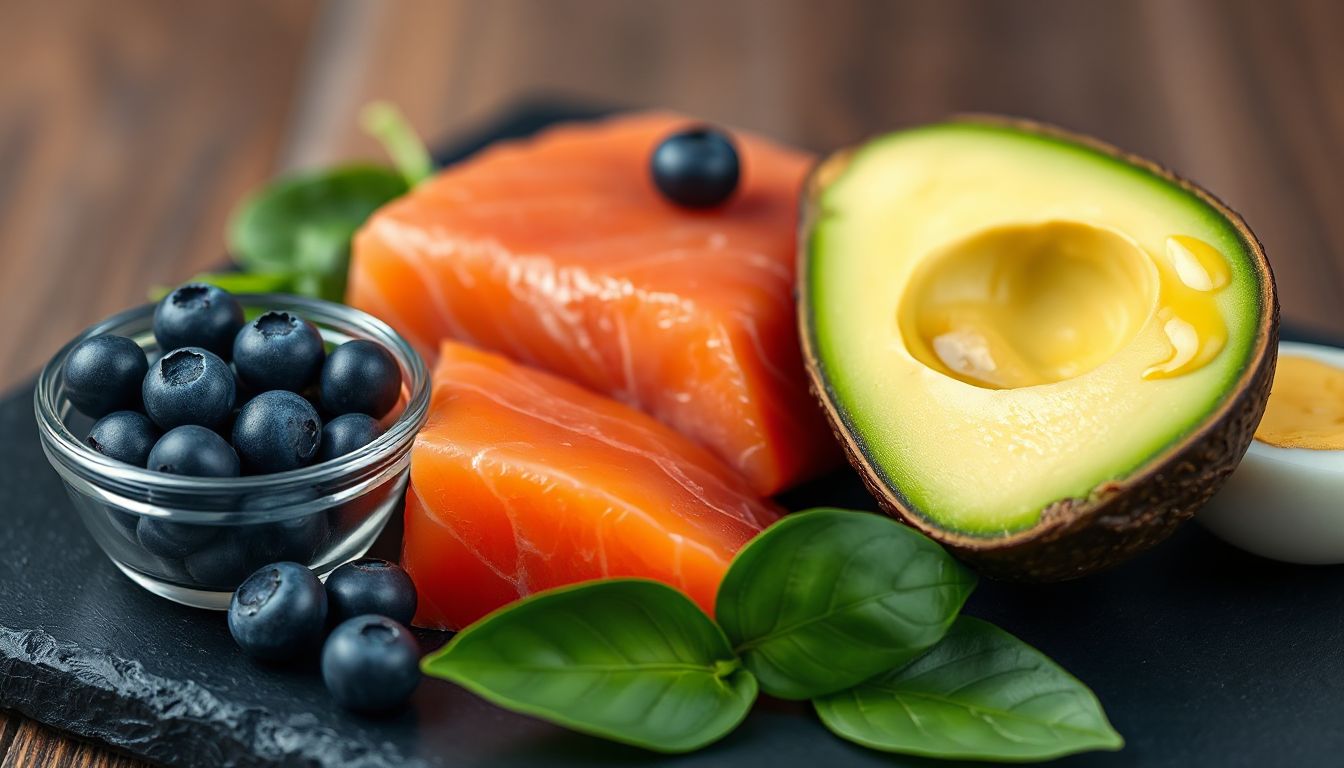
The Inflammatory Response and Antioxidant Defense
Hard workouts cause swelling in muscles. This inflammation is normal. It signals repair to start. Too much can hurt though. Oxidative stress adds damage from free radicals. Antioxidants fight this. They calm the fire.
Berries and cherries pack these defenders. A study from the Journal of the International Society of Sports Nutrition shows antioxidants cut soreness. Check it out here. Eat them to ease pain faster. Your next session feels better.
Inflammation peaks 24 to 48 hours after training. Antioxidants lower markers like CRP. This speeds healing. Think of them as cleanup crew. They remove debris so repair flows smooth.
Protein Synthesis: Building Blocks for New Muscle
After lifting, your body builds new tissue. Protein synthesis is the process. Amino acids are the bricks. Leucine kicks it off strong. Without enough, muscles don't grow.
Foods with complete proteins shine here. Eggs and dairy deliver all essentials. Rates of synthesis spike post-workout. They stay high for hours. Feed them right to max gains.
Research from the American Journal of Clinical Nutrition backs this. It says leucine triggers MPS best. See the details here. Aim for 20 to 40 grams per meal. This keeps the build going.
Glycogen Restoration: Fueling the Next Session
Muscles use glycogen as fuel. Workouts drain it quick. Refill to avoid fatigue. Carbs do this job well. They pair with protein for full recovery.
Low stores mean weak performance. Replenish within two hours. This sets you up for tomorrow. Sweet potatoes and grains help here. They provide steady energy.
A review in Sports Medicine notes fast carb uptake post-exercise. Learn more here. Balance carbs with your goals. Endurance folks need more.
Food Powerhouse 1: Tart Cherries and Berries – Nature’s Anti-Inflammatory Agents
Soreness hits after heavy sets. It makes walking tough. Tart cherries change that. They target inflammation head-on. Berries join the fight. These fruits speed muscle recovery. Add them to your routine. Feel the difference soon.
Packed with antioxidants, they reduce oxidative damage. Studies show less pain and faster strength return. Runners and lifters love them. You can too.
Anthocyanins: The Key Bioactive Compounds
Anthocyanins give cherries their red hue. They act like natural painkillers. These compounds lower CRP levels. That's a marker of swelling. They also ease muscle pain feel.
Tart cherry juice cuts soreness by 20 percent in one study. It came from the Scandinavian Journal of Medicine & Science in Sports. Read it here. Drink eight ounces twice a day. See results in a week.
These pigments block enzymes that fuel inflammation. Your body heals quicker. Less downtime means more training time.
Optimal Intake Strategies for Soreness Reduction
Time matters with these fruits. Sip juice before bed. It fights overnight repair issues. Or eat fresh post-workout. One cup of cherries equals a serving.
Endurance runners use this trick. A pro marathoner drinks it daily. It shaved recovery time by days after races. Try blending berries into smoothies. Aim for two cups daily.
Mix tart with sweet for taste. Freeze them for snacks. Consistency pays off. Track your soreness levels. Adjust as needed.
Beyond Cherries: The Power of Blueberries and Acai
Blueberries pack similar punch. They boost cell health after stress. Acai berries add extra antioxidants. These fight free radicals better than vitamins alone.
One handful covers your needs. Toss them in yogurt or oatmeal. A study in the Journal of Agricultural and Food Chemistry highlights their role. Check here. They support overall recovery.
Variety keeps it fun. Rotate fruits weekly. Your muscles thank you. These berries aid long-term health too. Less joint pain over time.
Tart cherries lead the pack for direct soreness relief. But blueberries shine in daily defense. Acai offers exotic flair. All reduce downtime. Pick what you like. Stock your fridge now.
Inflammation control starts with these. They set the stage for other nutrients. Next, we look at fats that calm the storm further.
Food Powerhouse 2: Fatty Fish (Salmon, Mackerel) – The Essential Omega-3 Intervention
Inflammation lingers if unchecked. Omega-3s from fish step in. Salmon and mackerel deliver EPA and DHA. These fats tweak your body's response. Muscle recovery speeds up. Less swelling means quicker bounce back.
Fatty fish also build tissue. They pair well with protein needs. Grill a fillet after lifting. Taste the benefits.
Active folks need more omegas. Standard diets lack them. Fish fills the gap fast.
EPA and DHA: Modulating Inflammatory Pathways
EPA and DHA are stars in fish oil. They compete with omega-6s. Those promote swelling. Omegas tip the balance to calm.
This cuts pro-inflammatory signals. Eicosanoids drop. Muscles repair without excess fight. The British Journal of Nutrition reports faster recovery with 2 grams daily. See here.
Athletes see less DOMS. Strength returns in 24 hours. Aim for three servings weekly. Your body adapts better.
These fats enter cell membranes. They make tissues flexible. Recovery feels smoother.
Integrating Fish Oil Supplements vs. Whole Food Sources
Supplements offer convenience. Pop a pill with meals. But whole fish wins. Salmon adds protein and vitamins. It's a full package.
One fillet gives 2,000 mg EPA/DHA. Pills vary in quality. Choose wild-caught for purity. A meta-analysis in Nutrients favors food sources. Read here.
Mix both if fish is rare. But prioritize meals. Sauté mackerel for variety. Taste buds and muscles gain.
Supplements suit travel. Whole foods build habits. Balance for best results.
Actionable Tip: Building an Omega-3 Rich Recovery Meal
Try a salmon salad post-workout. Bake four ounces salmon. Add spinach, quinoa, and berries. Drizzle olive oil.
This hits fats, carbs, and antioxidants. One serving covers needs. Prep in 20 minutes. Eat within an hour of training.
Runners pair it with sweet potato. Lifters add eggs. Customize to your sport. Track energy levels. Adjust portions.
This meal fights inflammation while refueling. It's simple yet powerful. Make it your go-to.
Omega-3s bridge inflammation and repair. Now, let's hit protein hard. Eggs lead the charge.
Food Powerhouse 3: Eggs and Whey/Casein – The Gold Standard for Muscle Protein Synthesis
Protein rebuilds what you break. Eggs provide top-tier aminos. Whey and casein from dairy follow. These trigger growth fast. Muscle recovery relies on them. Skip this, and gains fade.
Boil eggs for snacks. Shake whey after sets. Your body uses them quick. DOMS drops as fibers mend.
Quality counts. These sources score high. They fuel hypertrophy right.
The Leucine Threshold and High Biological Value (HBV)
Leucine sparks synthesis. Eggs hit 1.2 grams per serving. That's the threshold. HBV measures completeness. Eggs score 100. Perfect profile.
All essentials included. No gaps. Body absorbs 90 percent. Whey matches at 104 HBV.
The Journal of the International Society of Sports Nutrition confirms leucine's role. Details here. Eat three eggs post-lift. Growth kicks in.
These proteins digest easy. No waste. Muscles get direct fuel.
Whey vs. Casein: Timing Your Protein Intake
Whey digests fast. It floods blood with aminos quick. Ideal right after workout. Peaks in 30 minutes.
Casein slows release. It drips over hours. Best before bed. Stops breakdown overnight.
Mix whey in water for shakes. Blend casein with milk for pudding. A study in Medicine & Science in Sports & Exercise shows timing boosts results. See here.
Alternate based on schedule. Busy days? Whey on the go. Evenings? Casein wind-down.
Whey for speed, casein for sustain. Both cut recovery time.
Real-World Application: Calculating Your Post-Workout Protein Dose
Base it on weight. Aim 0.3 grams per pound of bodyweight per meal. A 150-pound person needs 45 grams.
Three eggs plus whey scoop hits it. Track with apps. Adjust for goals. Bulking? Up it 20 percent.
Vegans swap with plant blends. But eggs set the standard. Weigh progress weekly. Tweak as you grow.
Simple math leads to big gains. Apply today. See muscles respond.
Protein powers repair. Carbs restore energy next. Sweet potatoes take center.
Food Powerhouse 4: Sweet Potatoes and Quinoa – Replenishing Glycogen Quickly and Efficiently
Carbs get a bad rap sometimes. But post-workout, they shine. Glycogen refills prevent crashes. Sweet potatoes offer dense fuel. Quinoa adds protein twist. These speed muscle recovery by restoring stores.
Bake a potato after cardio. Energy bounces back. No more flat sessions.
Choose complex over simple. They last longer. Your body thanks you.
Glycemic Index (GI) Considerations for Post-Workout Carbs
GI measures blood sugar rise. High GI carbs spike insulin. This drives glycogen in fast. Post-exercise, muscles crave it.
Sweet potatoes hit moderate GI. Quick yet steady. White rice is higher. Pick based on needs.
The International Journal of Sport Nutrition and Exercise Metabolism explains benefits. Read here. Eat 1 gram carb per pound within two hours.
Insulin shuttles nutrients. Maximize the window.
Sweet Potatoes: Nutrient Density Meets Complex Energy
One medium potato gives 25 grams carbs. Plus vitamin A for immune boost. Potassium fights cramps.
Boil or bake. Mash with cinnamon. Better than chips for recovery.
Versus white rice, they add fiber. Slower crash. A 180-pound athlete needs two potatoes.
They support eye health too. All-around winner.
Quinoa: The Complete Recovery Carb Source
Quinoa is a seed. Acts like grain. 20 grams carbs per cup cooked. Plus all aminos.
It pairs carbs with protein. Synergy for repair. Rinse before cooking. Fluff with fork.
Journal of the International Society of Sports Nutrition praises it. See here. Use in salads or bowls.
Gluten-free bonus. Digests easy. Fuel and build at once.
Sweet potatoes for volume, quinoa for completeness. Rotate them. Keep energy high.
Carbs set the fuel. Now, overnight care with dairy.
Food Powerhouse 5: Greek Yogurt and Cottage Cheese – Slow-Release Amino Acids for Overnight Repair
Sleep is prime repair time. But fasting risks breakdown. Casein from yogurt prevents it. Slow drip of aminos. Greek yogurt and cottage cheese deliver. Muscle recovery extends through night.
Spoon some before bed. Wake refreshed. Less morning stiffness.
Probiotics add gut perks. Absorption improves. Double win.
The Benefits of Casein Protein in Muscle Maintenance
Casein clots in stomach. Releases over seven hours. Covers sleep gap. Stops catabolism cold.
20 grams curbs overnight loss. Studies show better morning strength. The American Journal of Clinical Nutrition details it here.
Mix with fruit for taste. Clumps form micelles. Steady supply.
It beats fast proteins for duration.
Probiotics and Gut Health: A Secondary Recovery Benefit
Yogurt has live cultures. They balance gut flora. Better nutrient uptake. Recovery boosts indirect.
Cottage cheese offers less but still helps. Low fat options fit diets.
A review in Nutrients links gut health to performance. Check here. Eat daily for edge.
Healthy gut means less bloat. More from your meals.
Actionable Tip: The Ultimate Pre-Sleep Recovery Snack Formulation
Combine half cup cottage cheese with walnuts. Add berries. 20 grams protein, healthy fats, antioxidants.
Total under 300 calories. Digests slow. Prep in bowl. Eat 30 minutes before lights out.
Pair yogurt with banana for potassium. Customize flavors. Track sleep quality. Adjust nuts for fats.
This snack seals your day. Muscles mend while you rest.
Dairy caps recovery cycle. Inflammation down, repair up, fuel full, sustain on.
 Conclusion: Designing Your Personalized 24-Hour Recovery Nutrition Protocol

These five foods transform recovery. Tart cherries control inflammation. Fatty fish modulate omegas. Eggs trigger synthesis. Sweet potatoes restore glycogen. Yogurt maintains overnight.
Build a plan around them. Post-workout: eggs, salmon, quinoa. Evening: yogurt snack. Morning: berries smoothie. Adjust for your life.
- Eat protein within 30 minutes after training. Hit leucine threshold.
- Add antioxidants daily to cut soreness by 20 percent.
- Refill carbs at 1 gram per pound bodyweight post-session.
- Include omega-3s three times weekly for less swelling.
- Use slow proteins before bed to prevent muscle loss.
Food is your tool. Optimize it. Cut downtime. Max gains. Start today. Your body will show the results.


Social Plugin